
What is the Paimol Peace School?
The primary school, located in Paimol, Agago District, sits where the Acholi and Karamoja regions meet, an area where the two communities have a complex history over land and cattle, and where peace and reconciliation efforts by local leaders, the Church, and civil society have gained real ground in recent years.
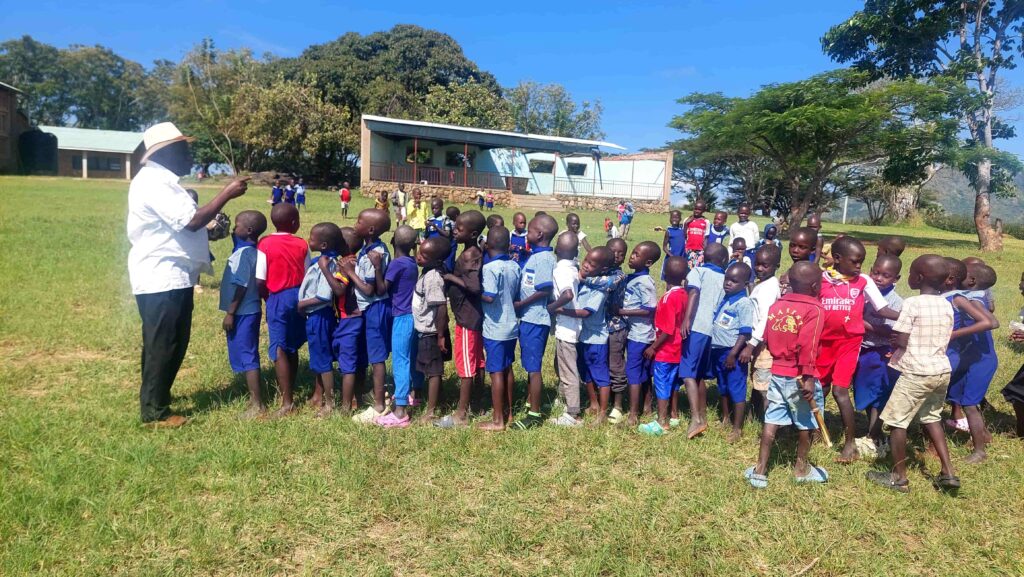
The school was founded on a simple idea: children who grow up learning together grow up trusting each other. Under the leadership of Fr. Joseph Okumu, the Peace School enrolls Acholi and Karimojong children together in the same classrooms, from grades 1 through 7. Today, roughly 280 children attend. The school also offers Cako Kwan, an innovative digital Acholi literacy course. The long-term campus plan includes seven classrooms, science and arts workshops, a canteen serving 350 pupils, dormitories for up to 150 boarding students, administrative offices, and outdoor play spaces.
Why a dormitory?
Many of the school’s students live too far away to travel to Paimol each day. Boarding is what makes full-time attendance possible for them, and it is also what makes the Peace School more than a school. When children from both communities eat, study, and sleep on the same campus, the school becomes a shared home.
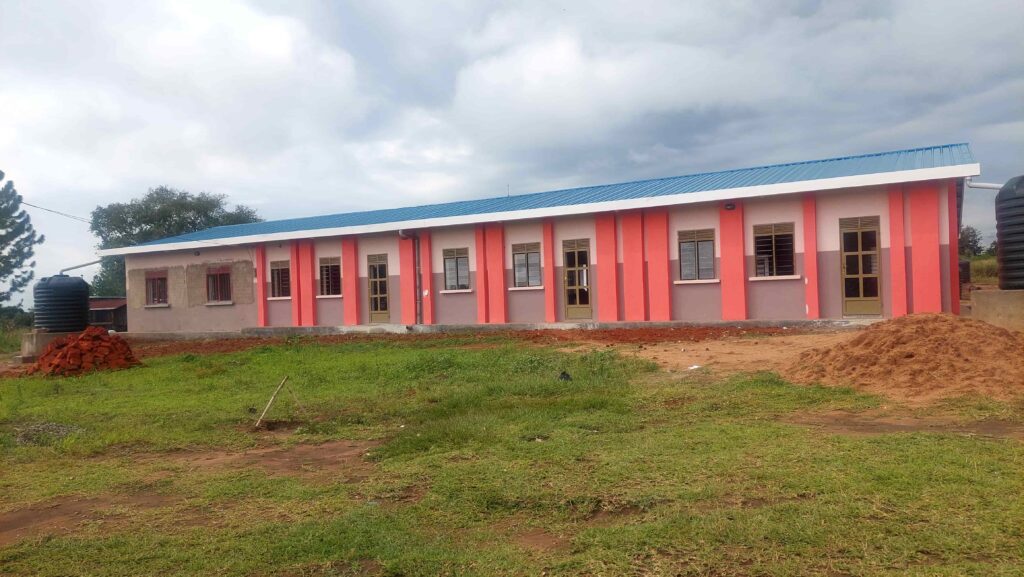
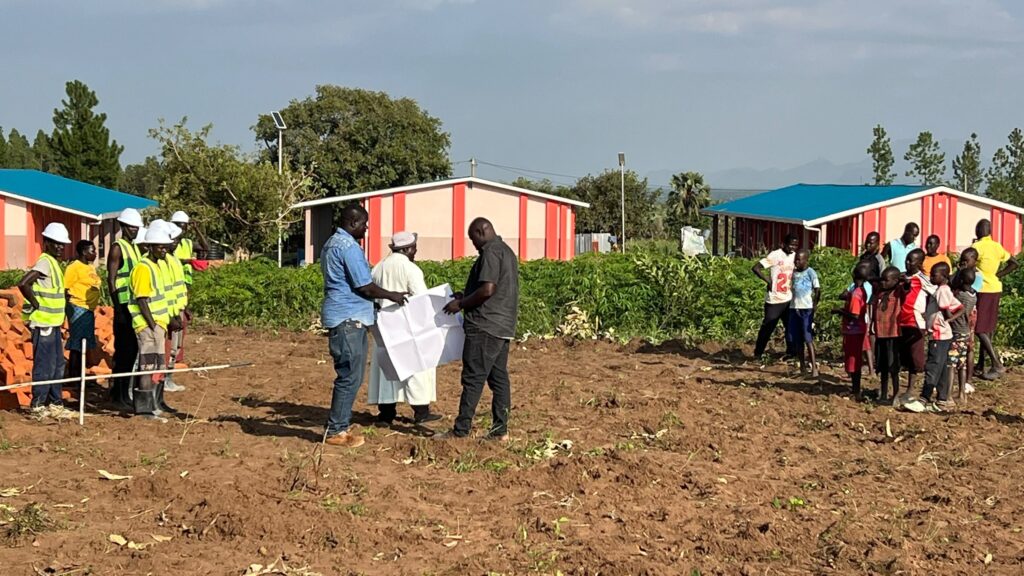
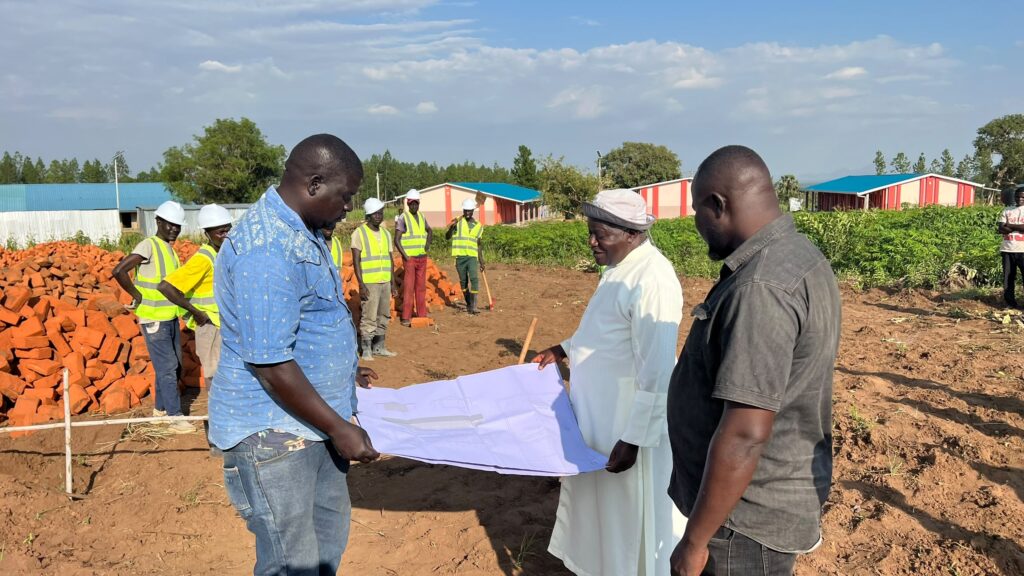
The girls’ dormitory now under construction is a 45-bed residence with solar lighting, mosquito-netted windows, tiled floors, indoor plumbing, and full electrical installation.
Where BOSCO fits in
BOSCO International is a U.S. nonprofit with a volunteer board that funds, advises, and supports BOSCO Uganda, a locally led NGO in Gulu that has been connecting rural northern Uganda through solar-powered community technology centers since 2007. BOSCO International is also helping to support the fundraising effort for the girls’ dormitory, as well as energy and technology connectivity for the campus.
BOSCO’s approach is grounded in “dignified globalization”: connecting rural communities to the wider world on terms they set themselves. Today that work includes digital literacy and vocational training, support for women’s cooperatives and youth centers, and the solar microgrids and Wi-Fi towers that BOSCO Uganda’s field engineers keep running across the region.
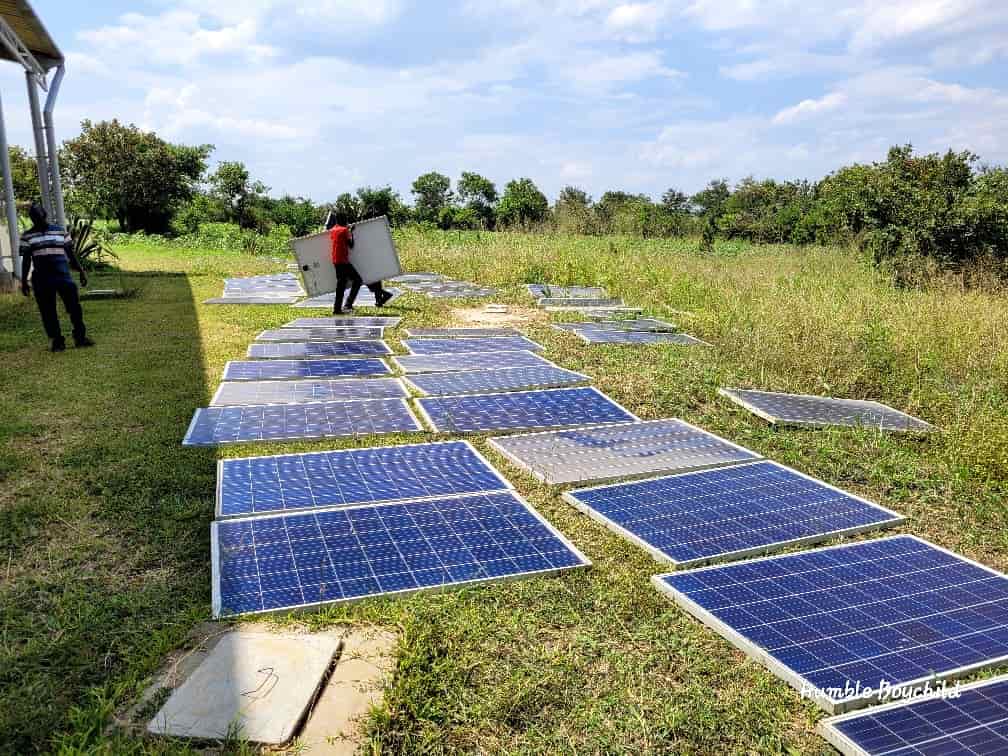
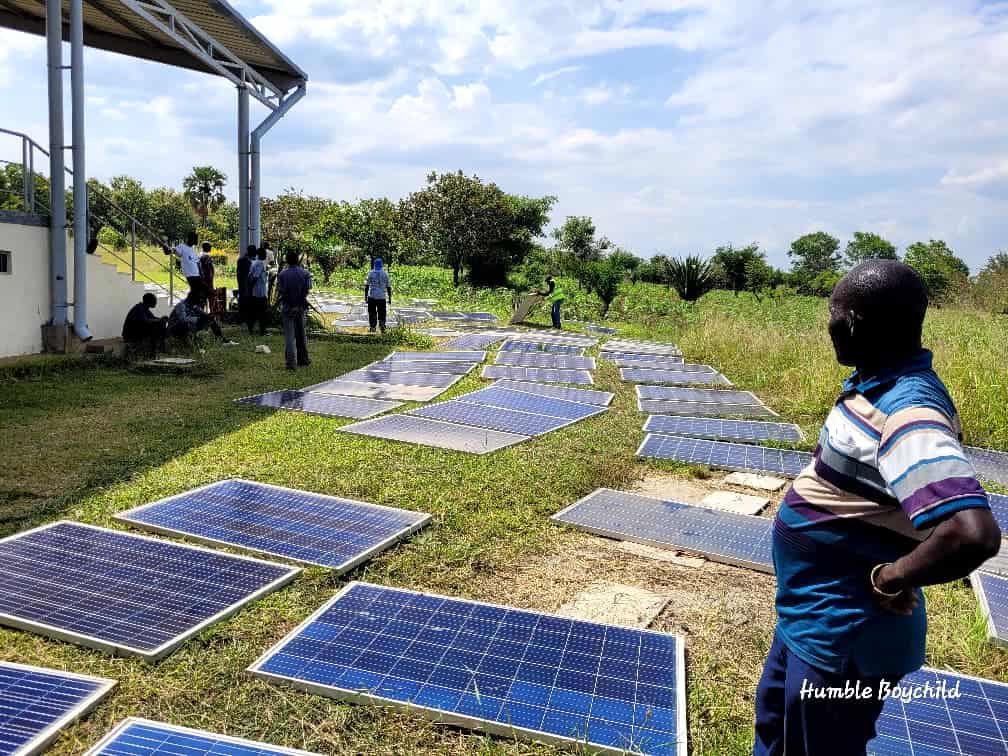
BOSCO Uganda will establish the Paimol Peace School as a new node in BOSCO’s network of connected community sites and is working to facilitate the installation of a solar energy microgrid to provide power for the school, targeted for early 2027.
The girls’ dormitory now under construction is a 45-bed residence with solar lighting, mosquito-netted windows, tiled floors, indoor plumbing, and full electrical installation.
What your gift does
Supported by a generous anonymous benefactor, BOSCO International provided a restricted grant to the school earlier this year to begin the dormitory, and construction began on August 10. The grant covers a substantial portion of the work, but not all of it. Approximately $25,000 remains to complete the building, and the school has also proposed a digital learning technology system to go with it.
That same generous donor has agreed to match every gift to BOSCO International through December 31 dollar-for-dollar, up to $25,000. Our combined year-end goal is $50,000, and it funds two things:
- The Paimol Peace School. Completing the girls’ dormitory, providing renewable solar energy to the campus, and equipping the digital learning system.
- BOSCO Uganda’s operations. The people and equipment behind the network: insurance for the engineers who maintain the towers, pay for the engineers, support staff, and local IT professionals, and modernizing the long-distance wireless internet backbone that powers its interconnected network of community centers, schools, and libraries.
Both matter. A school building is a one-time project; a connected, locally run network is what keeps delivering opportunity year after year. Your gift supports the newest site and the team that makes all of them work.
Double My Gift
Every dollar you give is matched up to $25,000. Your gift helps complete the Paimol Peace School dormitory and supports BOSCO Uganda’s engineers, staff, and network across northern Uganda.